Best Creatine for Women Over 40: Benefits, Side Effects & How to Choose (2026 Guide)
Growing older doesn’t mean giving up on feeling strong, energetic, or confident. In fact, many women over 40 are becoming more active than ever by focusing on strength training, walking, healthy eating, and better self-care. One supplement that has gained significant attention in recent years is creatine.
For a long time, creatine was associated with bodybuilders and athletes. Today, research suggests it may also support muscle strength, exercise performance, healthy aging, and overall wellness in women, especially after the age of 40.
But is creatine really safe for women? Does it cause weight gain? Which type should you choose?
In this guide, you’ll learn everything you need to know about creatine for women over 40,including its benefits, possible side effects, how to take it, and what to look for before buying a supplement.
What Is Creatine?
Creatine is a natural compound made from three amino acids: arginine, glycine, and methionine. Your body produces small amounts of creatine in the liver, kidneys, and pancreas. You also get some from foods like red meat and fish.
About 95% of your body’s creatine is stored in your muscles, where it helps produce quick energy during physical activity. This energy supports movements such as lifting weights, climbing stairs, or even carrying groceries.
Although your body makes creatine naturally, the amount decreases with age, and many women don’t consume enough creatine-rich foods to maintain optimal muscle stores.
Why Women Over 40 May Benefit From Creatine
As women age, natural hormonal changes begin to affect muscle mass, metabolism, and bone health. Around perimenopause and menopause, many women notice that maintaining strength becomes more challenging.
Some common changes include:
- Gradual muscle loss
- Slower metabolism
- Reduced energy levels
- Increased body fat
- Longer recovery after exercise
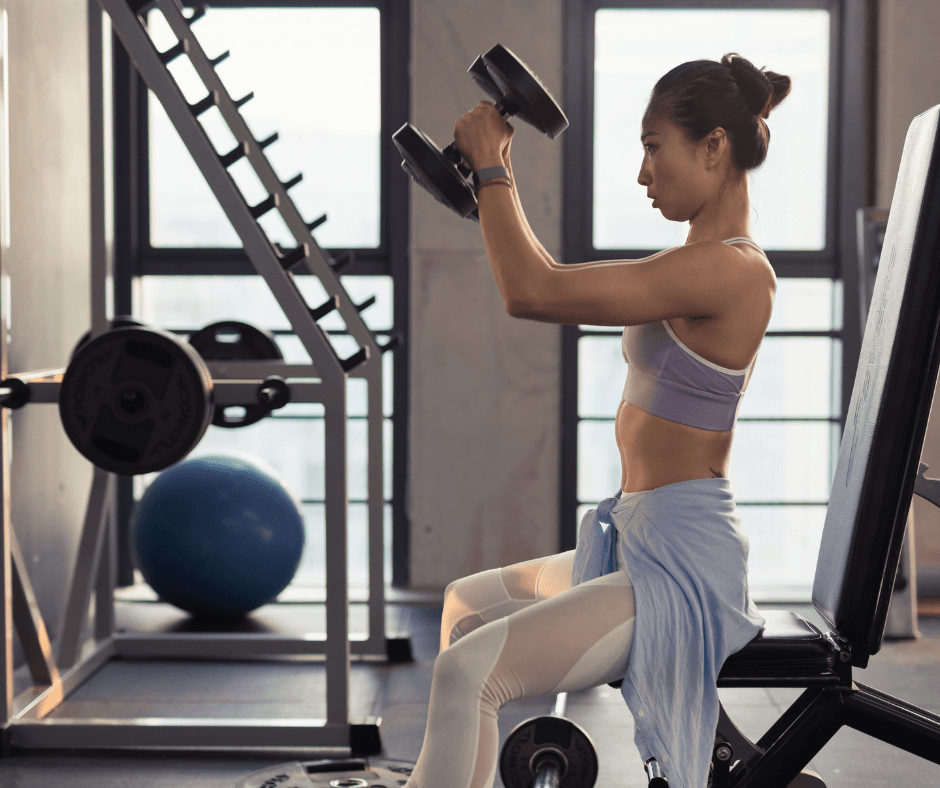
When combined with regular strength training and a balanced diet, creatine may help support healthy muscle function and improve workout performance.
7 Science-Backed Benefits of Creatine for Women Over 40
1. Helps Maintain Lean Muscle
One of the biggest concerns after 40 is age-related muscle loss. Maintaining muscle isn’t just about appearance—it supports mobility, balance, and everyday strength.
Research suggests that creatine supplementation, combined with resistance training, may help improve lean muscle mass compared with exercise alone.
2. Supports Strength During Workouts
Creatine helps your muscles produce energy more efficiently during short bursts of activity.
This may allow you to:
- Lift slightly heavier weights
- Complete extra repetitions
- Recover faster between sets
- Improve overall workout quality
Over time, these small improvements can contribute to better fitness results
3. May Support Healthy Aging
Healthy aging isn’t only about living longer—it’s about maintaining independence and quality of life.
Strong muscles help reduce the risk of falls, improve mobility, and make everyday activities easier.
Many experts now consider resistance exercise and adequate protein intake the foundation of healthy aging. Creatine may provide additional support when combined with these healthy habits.
4. Can Improve Exercise Recovery
Feeling sore for several days after a workout can make it difficult to stay consistent.
Some studies suggest creatine may help reduce muscle damage and support recovery after intense exercise.
That means you may feel ready for your next workout sooner.
5. May Help During Menopause
Hormonal changes during menopause can affect muscle strength and body composition.
While creatine isn’t a treatment for menopause, some research suggests it may help women maintain muscle function when combined with regular exercise.
Many women also report feeling stronger and more energetic after adding creatine to a consistent fitness routine.
6. Supports Daily Energy for Active Lifestyles
Whether you’re walking daily, taking fitness classes, or simply keeping up with work and family responsibilities, healthy muscles require energy.
Creatine helps replenish the body’s quick energy stores, making physical activity feel more manageable for many people.
7. Easy to Add to Your Routine
Unlike many complicated supplements, creatine is simple.
Most people mix one serving into water, a smoothie, or a protein shake once a day.
Consistency matters far more than timing.
Is Creatine Safe for Women?
For most healthy adults, creatine is considered one of the most researched sports nutrition supplements available.
When taken at recommended amounts, studies have generally found it to be safe for long-term use in healthy individuals.
However, women with kidney disease or other medical conditions should speak with their healthcare provider before starting any supplement.
If you’re pregnant or breastfeeding, it’s also important to seek medical advice before using creatine.
Does Creatine Cause Weight Gain?
This is one of the biggest myths.
Creatine doesn’t automatically make you gain body fat.
Some people notice a small increase on the scale during the first few weeks because creatine helps muscles hold more water. This water is stored inside the muscle cells, not as body fat.
Many women actually appreciate this effect because muscles may appear fuller and stronger over time.
For women focused on healthy aging and strength, this temporary increase is generally not considered a negative outcome.
Which Type of Creatine Is Best for Women Over 40?
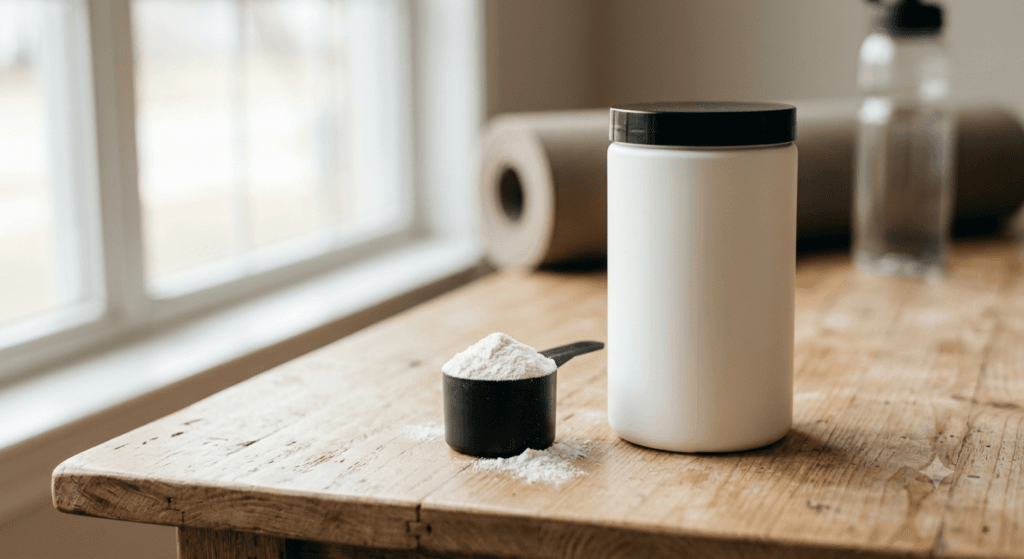
With so many creatine products available, choosing the right one can feel confusing. The good news is that you don’t need an expensive or fancy formula.
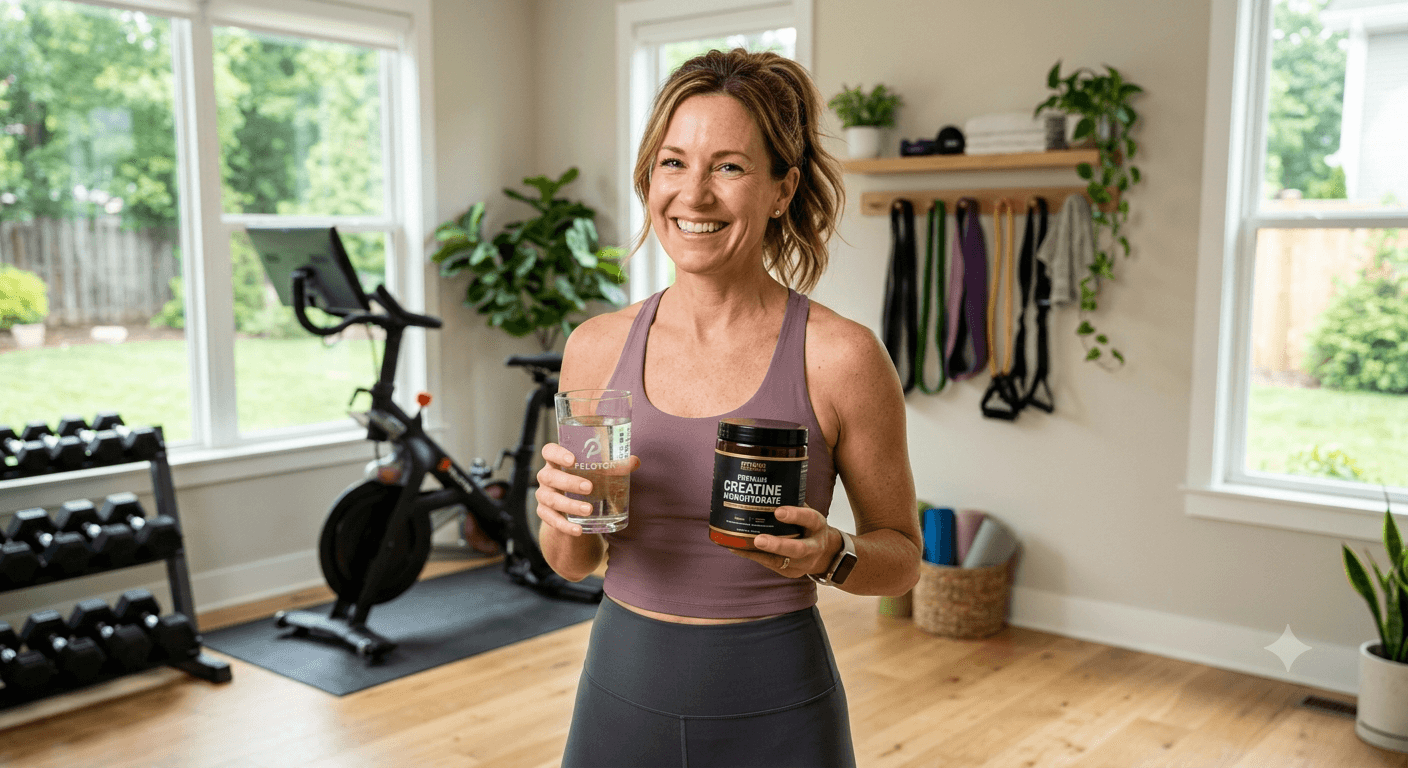
Creatine Monohydrate is the most researched and widely recommended form. It has been studied for decades and is considered the gold standard for improving muscle strength and exercise performance.
Other forms, such as creatine hydrochloride (HCL), gummies, or blends, may work for some people, but there is currently no strong evidence showing they are more effective than creatine monohydrate.
If you’re buying creatine for the first time, a high-quality creatine monohydrate powder is usually the best choice.
How Much Creatine Should Women Over 40 Take?
For most healthy women, 3 to 5 grams of creatine monohydrate per day is enough.
Many people have heard about a “loading phase,” where large amounts are taken for several days. While this method can increase muscle creatine stores more quickly, it isn’t necessary for most people.
Taking a consistent daily dose is a simple and effective approach.
You can mix creatine with water, juice, or a protein shake. Some people prefer taking it after a workout, while others take it with breakfast. The most important factor is taking it consistently every day.
Possible Side Effects
Creatine is generally well tolerated, but some people may experience mild side effects, especially when taking larger doses.
These may include:
- Temporary water retention
- Mild stomach discomfort
- Bloating if taken in excessive amounts
Drinking enough water and following the recommended serving size may help reduce these issues.
If you have kidney disease, liver disease, or another medical condition, talk with your healthcare provider before using creatine supplements.
Tips for Choosing a Quality Creatine Supplement
Not all supplements are made to the same standards. When shopping for creatine, look for products that:
- Contain 100% creatine monohydrate
- Have no unnecessary fillers or added sugars
- Are third-party tested for quality
- Clearly list the serving size
- Come from a trusted manufacturer
Reading customer reviews and checking for independent quality certifications can also help you make a confident choice.
Lifestyle Tips to Maximize Creatine Benefits
Creatine works best when combined with healthy daily habits.
For the best results:
- Eat enough protein throughout the day.
- Include strength training two to four times per week.
- Stay physically active with regular walking or other enjoyable exercise.
- Drink plenty of water.
- Get enough sleep each night.
Remember, creatine is designed to support a healthy lifestyle—not replace one.
Frequently Asked Questions
Is creatine safe for women over 40?
For most healthy women, research suggests that creatine monohydrate is safe when taken as directed. If you have a medical condition or take prescription medications, consult your healthcare provider before using any supplement.
Will creatine make me bulky?
No. Creatine does not automatically increase body fat or make women look bulky. Building significant muscle requires consistent strength training, proper nutrition, and time.
Can I take creatine every day?
Yes. Daily use of 3 to 5 grams is a common approach for maintaining muscle creatine levels.
Do I need to exercise for creatine to work?
Creatine provides the greatest benefits when combined with regular resistance training or other physical activity.
Can women over 50 use creatine?
Many healthy women over 50 choose creatine as part of an active lifestyle. However, it’s always wise to discuss supplements with your healthcare provider if you have existing health conditions.
Final Thoughts
Staying strong, active, and healthy after 40 is possible with the right combination of nutrition, exercise, and healthy habits. Creatine isn’t a magic solution, but it is one of the most researched supplements available for supporting muscle strength and physical performance.
For many women over 40, adding a high-quality creatine monohydrate supplement alongside regular strength training, adequate protein intake, and a balanced lifestyle may help support healthy aging and overall fitness goals.
Small, consistent habits often lead to the biggest long-term results. Whether you’re just beginning your wellness journey or looking to maintain your strength as you age, creatine may be a valuable addition to your routine.
Disclaimer:This article is for informational purposes only and does not substitute professional medical advice. Always consult your healthcare provider or a registered dietitian before starting any new supplement, especially if you have underlying health conditions like kidney disease.