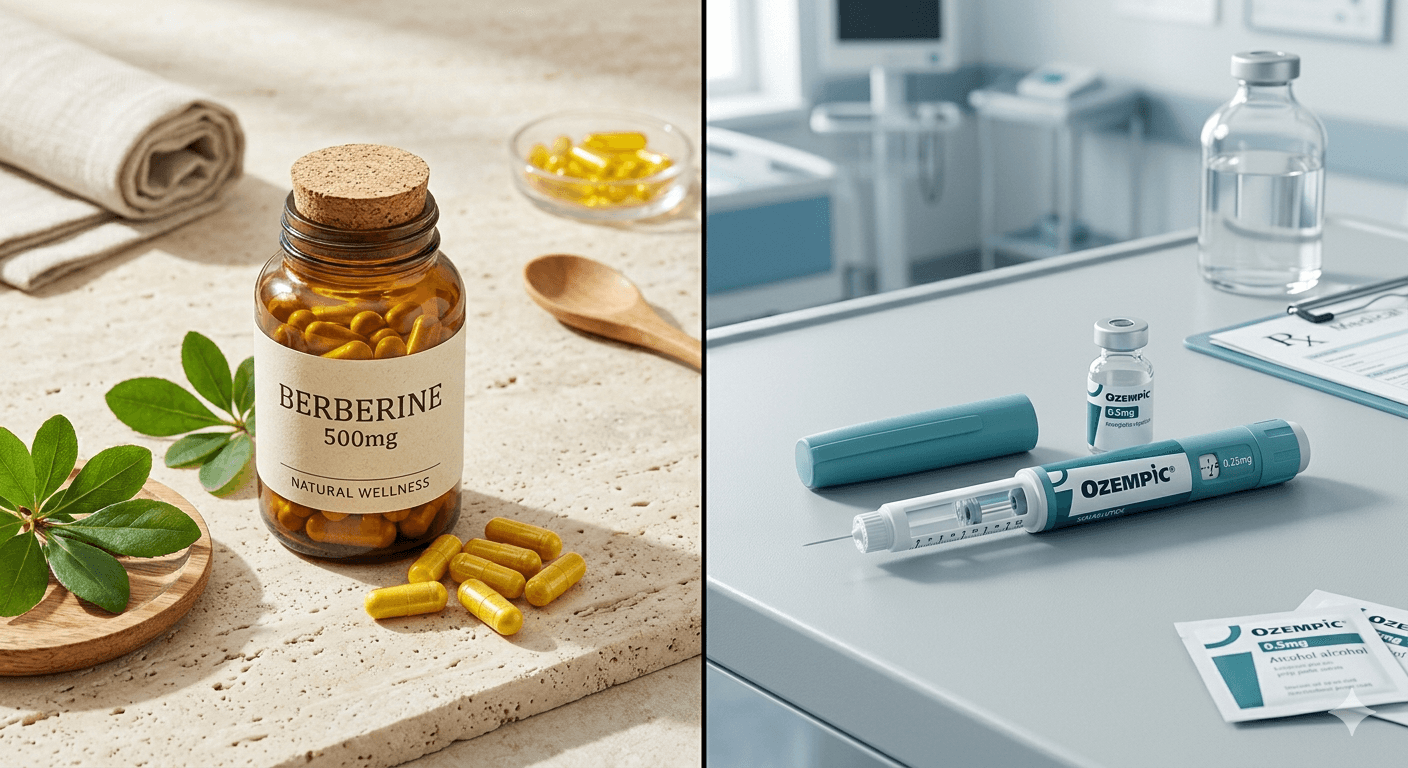
Berberine vs Ozempic: Is “Nature’s Ozempic” Really Worth It in 2026?
Medically reviewed content • Last updated: August 2026
Affiliate Disclosure: This post contains affiliate links. If you purchase through these links, ZenGlowFit may earn a commission at no extra cost to you. We only recommend products we believe offer genuine value. See our full Affiliate Disclosure and Medical Disclaimer below.
Scroll through TikTok or Instagram for five minutes and you’ll run into the same claim: a cheap, over-the-counter supplement called Berberine is being called “Nature’s Ozempic.” With semaglutide injections costing upwards of $1,000 a month and facing repeated shortages, it’s easy to see why a $25 bottle of plant extract sounds appealing.
But does Berberine actually come close to what Ozempic does? We dug into the clinical research, cost comparisons, and real safety data to give you a straight answer — no hype, no exaggeration.
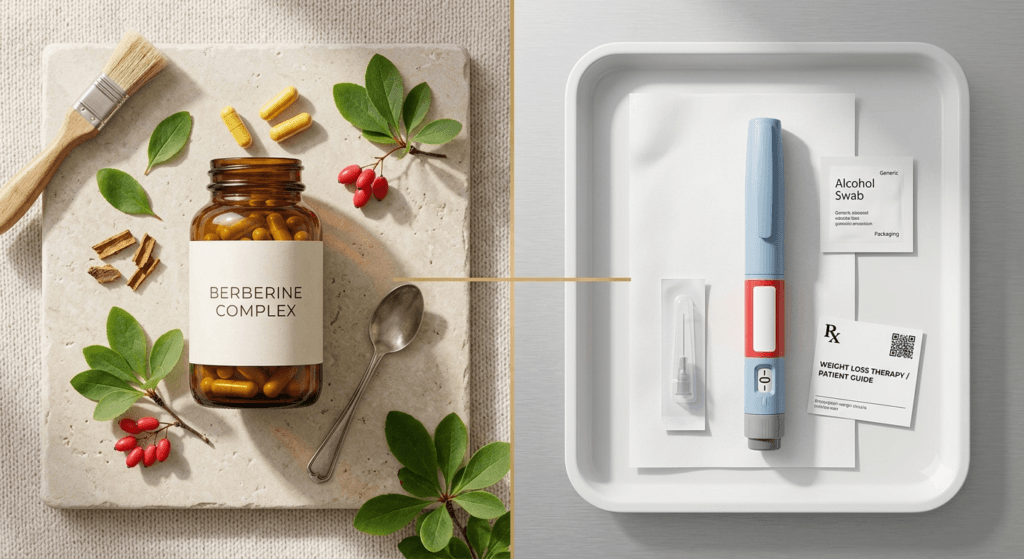
What Is Berberine?
Berberine is a natural compound found in several plants, including goldenseal, barberry, and Oregon grape. It has a long history in Traditional Chinese Medicine and Ayurveda, where it was used for digestive and metabolic complaints long before modern science understood why it worked.
Today, researchers are interested in Berberine mainly for its effects on:
- Blood sugar regulation
- Cholesterol levels
- Insulin sensitivity
Unlike Ozempic, Berberine is sold over the counter as a supplement — meaning no prescription, no doctor visit, but also no FDA oversight of its manufacturing quality, which matters more than people realize (more on that below).
How Ozempic Works
Ozempic (semaglutide) is a GLP-1 receptor agonist. GLP-1 is a hormone your gut naturally releases after eating; Ozempic mimics it but lasts much longer in the body. This produces three main effects:
- Appetite suppression — acts on brain regions that regulate hunger
- Slower gastric emptying — food stays in the stomach longer, extending fullness
- Improved insulin response — helps the pancreas regulate blood sugar more efficiently
This is a well-studied, prescription-strength mechanism, which is why its results are so much stronger than any supplement’s.
How Berberine Works (And Why It’s Not the Same Mechanism)
Berberine does not mimic GLP-1 directly. Its primary action is on an enzyme called AMPK (AMP-activated protein kinase), sometimes called the body’s “metabolic master switch.” Activating AMPK is associated with:
- Better insulin sensitivity
- Reduced fat storage at the cellular level
- Support for a healthier gut microbiome
Some early research suggests Berberine may modestly stimulate the body’s own GLP-1 release — but the effect is far weaker and shorter-lived than an injected medication. Calling it “Nature’s Ozempic” is a catchy label, not an accurate scientific comparison
Berberine vs Ozempic: Side-by-Side Comparison
| Feature | Berberine | Ozempic (Semaglutide) |
|---|---|---|
| Type | OTC plant-derived supplement | Prescription medication |
| Administration | Daily oral capsules | Weekly injection |
| Primary mechanism | Activates AMPK | Mimics GLP-1 hormone |
| Typical weight loss | ~5 lbs over 12 weeks (clinical avg.) | ~15% of body weight over 1 year |
| Monthly cost | $20–$40 | $900–$1,200 without insurance |
| Regulation | Not FDA-approved for weight loss; quality varies by brand | FDA-approved, prescription-only |

What the Clinical Research Actually Shows
A study published in Phytomedicine found that participants taking 500mg of Berberine three times daily for 12 weeks lost an average of about 5 pounds, alongside improvements in cholesterol markers. That’s a real, measurable effect — but it’s modest compared to semaglutide trials, where participants lost an average of 15% of body weight over a year.
Bottom line: Berberine can meaningfully support metabolic health and modest weight loss. It is not a substitute for Ozempic in cases of significant obesity or diagnosed metabolic disease.
Side Effects and Safety
Berberine — generally well-tolerated, but because it has mild antimicrobial activity in the gut, common side effects include:
- Stomach cramping
- Diarrhea or constipation
- Nausea (especially on an empty stomach)
Ozempic — side effects tend to be more pronounced:
- Nausea and vomiting
- Acid reflux
- Constipation
- Rare but serious risks: pancreatitis, gallbladder issues
Neither should be combined without medical supervision — both lower blood sugar, and stacking them raises the risk of hypoglycemia.
How to Take Berberine Safely
If you decide to try it:
- Choose third-party tested brands — look for USP, NSF, or ConsumerLab seals, since supplement quality isn’t FDA-regulated
- Standard dosage in studies: 500mg, taken with meals, up to three times daily (1,000–1,500mg/day total)
- Cycle usage — many practitioners suggest 8–12 weeks on, followed by a 2–4 week break
Always talk to your doctor before starting any new supplement, especially if you take other blood-sugar or cholesterol medications.
Who Should Choose Which
Consider Berberine if: you want an affordable, accessible way to support insulin sensitivity, manage stubborn weight, and improve metabolic markers — without needles or a prescription.
Consider Ozempic if: you have significant obesity, type 2 diabetes, or another diagnosed metabolic condition, and have medical guidance and means to sustain treatment.
Neither replaces the basics: consistent sleep, a protein-forward diet, and regular movement remain the foundation of any real metabolic health improvement.
Can Berberine Match Ozempic’s Weight Loss Results?
The short answer is no.
Calling Berberine “Nature’s Ozempic” is an excellent marketing strategy for social media influencers, but it creates unrealistic expectations.
Clinical studies on Berberine show that it can absolutely aid in weight loss, but the results are modest. In a landmark study published in the journal Phytomedicine, obese participants took 500mg of Berberine three times a day for 12 weeks. On average, they lost about 5 pounds and saw a significant drop in their cholesterol levels.
On the flip side, clinical trials for Ozempic and Wegovy show that participants lose an average of 15% of their total body weight over a year. For a 200-pound adult, that is a 30-pound weight loss.
If you are looking for rapid, massive weight loss, a supplement cannot compete with a prescription-grade pharmaceutical. However, if you are dealing with mild insulin resistance, a slow metabolism, or just looking to lose those last 5 to 10 stubborn pounds safely, Berberine is a highly effective tool.
The Dark Side: Side Effects and Risks
Neither of these options is entirely side-effect-free. Because both options heavily affect your digestive system, they can cause some uncomfortable moments.
Berberine Side Effects
Because Berberine has natural antimicrobial properties, it kills off bacteria in your gut. If you take too much at once, it can upset your digestive system. The most common complaints include:
- Stomach cramping
- Diarrhea or loose stools
- Constipation
- Nausea and gas
Tip: You can avoid most of these side effects by starting with a low dose and taking your supplement with a meal.
Ozempic Side Effects
Ozempic causes similar gastrointestinal issues because it physically slows down how fast food moves through your stomach. Common issues include:
- Severe nausea and vomiting
- Acid reflux and sulfur burps
- Chronic constipation
- “Ozempic Face” (facial sagging due to rapid fat loss)
- Risk of more severe conditions like pancreatitis or gallbladder issues
Cost and Accessibility: The Ultimate Deciding Factor
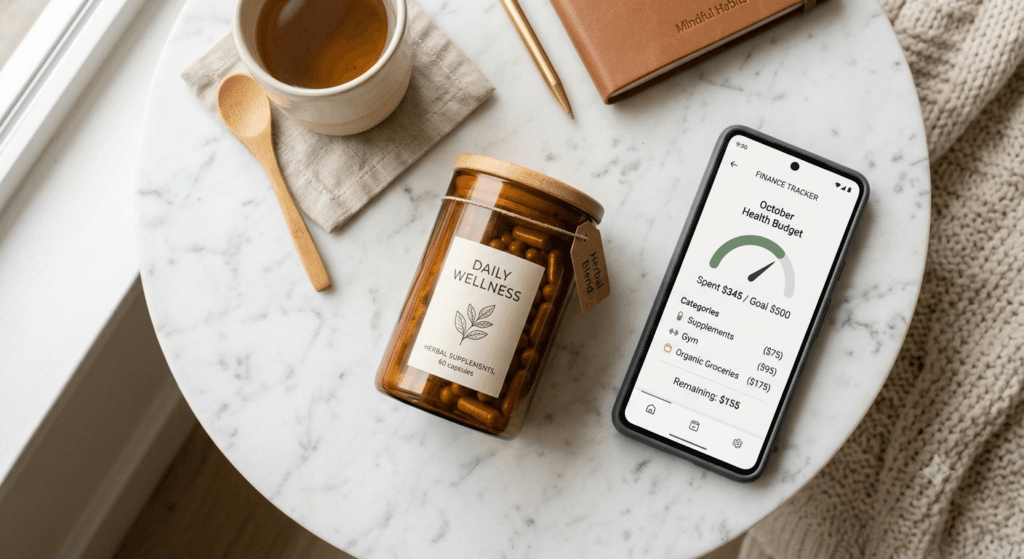
The main reason Americans are flocking to Berberine is simple: economics.
Ozempic can easily cost between $900 and $1,200 every single month if your health insurance refuses to cover it for weight loss. Due to its massive popularity, finding it in stock at local pharmacies across the US has become a massive headache.
Berberine costs roughly $25 a month. It requires no insurance approval, no virtual doctor visits, and no painful weekly needles. For a person trying to lose weight on a budget, Berberine represents an accessible, low-risk starting point.
How to Take Berberine Safely for Weight Loss
If you decide to try Berberine, you should not just grab the cheapest bottle on the shelf. The supplement industry in the United States is not strictly regulated by the FDA, meaning supplement quality varies wildly.
1. Choose Third-Party Tested Brands
Look for reputable brands that feature a USP, NSF, or ConsumerLab seal on the bottle. This ensures that what is written on the label is actually what is inside the capsule, without hidden fillers or heavy metals.
2. The Correct Dosage
The standard dosage used in successful clinical trials is 1,000mg to 1,500mg per day, split into separate doses.
- Take one 500mg capsule 20 to 30 minutes before your biggest meals (e.g., Breakfast, Lunch, and Dinner).
- Do not take 1,500mg all at once, or you will experience severe stomach cramps.
3. Cycle Your Usage
Unlike multi-vitamins, Berberine is not meant to be taken forever without a break. Because it acts like a mild antibiotic in your gut, experts recommend taking it for 8 to 12 weeks, followed by a 2 to 4-week break to let your gut microbiome rest reset.
Summary: Should You Use Berberine or Ozempic?
Ultimately, Berberine is not a true twin to Ozempic, but it remains a highly valuable metabolic supplement.
- Choose Ozempic (or Mounjaro) if: You are struggling with severe obesity, chronic type 2 diabetes, or metabolic diseases, and have the medical clearance and financial means to support a long-term prescription.
- Choose Berberine if: You are looking for an affordable, natural way to improve your insulin sensitivity, manage stubborn weight, control your afternoon sugar cravings, and boost your metabolic health without using needles.
Always remember that neither a supplement nor an injection can replace a solid foundation of healthy habits. Pair your routine with a high-protein diet, regular movement, and optimal sleep to achieve lasting health results.
The Ultimate Verdict on Safe Weight Loss
Choosing between clinical treatments and natural alternatives your personal health goals. However, if you want to fix your sluggish metabolism safely without harsh chemical injections, supporting your body with a high-purity, natural glucose and fat-burning catalyst is the smartest move you can make.
👉 Click Here to See the Top-Rated Pure Berberine Formula That US Doctors Recommend for Safe Weight Loss
Want to stay updated with real, unfiltered health guides. Head over to our homepage and drop your email to join the free zenglowfit Newsletter today!“
Frequently Asked Questions (FAQs)
Q1. Why do people call Berberine “Nature’s Ozempic”?
Ans: People call Berberine “Nature’s Ozempic” on social media because it helps lower blood sugar, improves insulin sensitivity, and assists with modest weight loss. However, scientifically, it works through activating AMPK enzymes rather than directly mimicking the GLP-1 hormone like Ozempic.
Q2. Can I take Berberine and Ozempic together?
Ans: No, you should not combine Berberine and Ozempic without strict medical supervision. Both options significantly lower blood sugar levels, and taking them together can increase the risk of severe hypoglycemia (dangerously low blood sugar).
Q3. How much weight can you lose with Berberine in a month?
Ans: Weight loss with Berberine is gradual. On average, users lose about 1 to 2 pounds per month when combined with a balanced diet. Clinical trials show a modest total loss of around 5 pounds over a full 12-week cycle.
Medical Disclaimer
Medical Disclaimer: This article is for educational purposes only and is not medical advice. Consult a licensed healthcare provider before starting any supplement or medication, including Berberine or Ozempic.