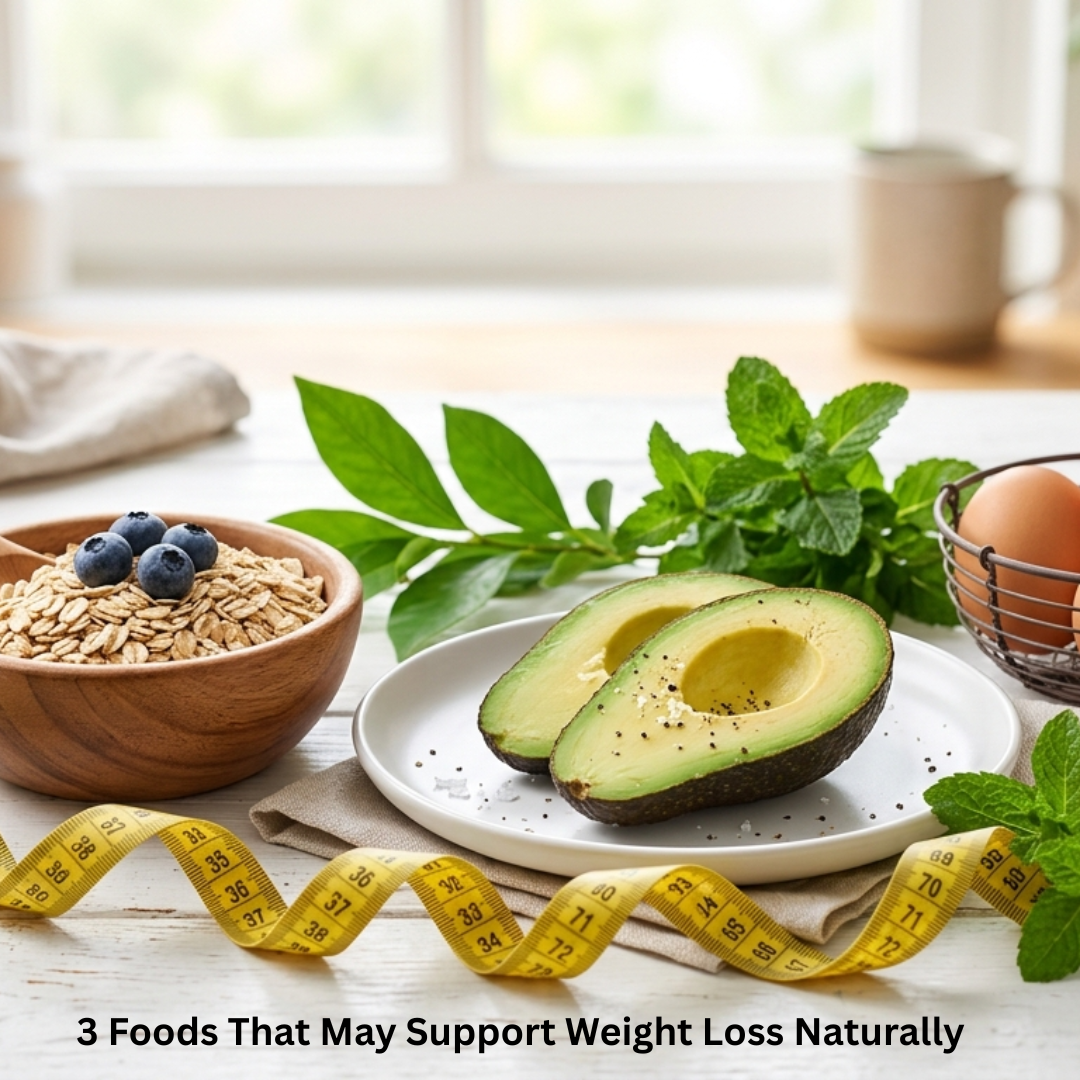
Natural GLP-1 Activators: 3 Foods That May Support Weight Loss Naturally
Weight loss injections such as Ozempic, Wegovy, and Mounjaro have become some of the most talked-about health treatments in recent years. These medications work partly by increasing the activity of a hormone called GLP-1, which helps regulate appetite and blood sugar levels.
As interest in GLP-1 medications grows, many people are wondering whether there are natural ways to support the body’s own GLP-1 production.
While no food can replicate the effects of prescription medications, research suggests that certain foods may help stimulate natural GLP-1 release and support healthy weight management.
Let’s explore three foods that may naturally support GLP-1 activity and help reduce hunger throughout the day.
What Is GLP-1?
GLP-1 stands for Glucagon-Like Peptide-1, a hormone produced in the gut after eating.
This hormone plays several important roles:
- Helps you feel full
- Slows stomach emptying
- Supports healthy blood sugar control
- Reduces appetite
- May help decrease cravings
GLP-1 medications work by mimicking or enhancing these natural effects.
Although food cannot provide the same powerful impact as prescription medications, certain dietary choices may encourage your body to produce more GLP-1 naturally.
Can Foods Really Increase GLP-1?
Looking for natural ways to support appetite control? Read our guide on
https://zenglowfit.com/mounjaro-vs-ozempic-2026-which-weight-loss-injection-works-better/
The short answer is yes—but with realistic expectations.
Natural foods do not create the dramatic appetite suppression seen with GLP-1 medications. However, they may help support your body’s own hormone response and improve satiety.
Combined with regular exercise, adequate sleep, and a balanced diet, these foods can become valuable tools for long-term weight management.
1. Eggs: The High-Protein Hunger Fighter
Eggs are one of the most nutrient-dense foods available.
They are rich in high-quality protein, healthy fats, vitamins, and minerals.
Protein is particularly important because it can increase feelings of fullness and may stimulate hormones involved in appetite regulation, including GLP-1.
Why Eggs May Help
- High protein content
- Helps control hunger
- Supports muscle maintenance
- May reduce snacking between meals
Many people notice that a protein-rich breakfast helps them stay satisfied for longer compared to sugary cereals or pastries.
Best Ways to Eat Eggs
- Boiled eggs
- Vegetable omelets
- Scrambled eggs
- Egg muffins for meal prep
Starting your day with protein may help reduce overall calorie intake later in the day.
2. Oats: The Fiber-Powered GLP-1 Supporter
Oats have long been considered one of the healthiest breakfast foods.
Their secret weapon is a type of soluble fiber called beta-glucan.
This fiber slows digestion and helps promote feelings of fullness.
When fiber reaches the digestive system, it can support gut health and may encourage the release of appetite-regulating hormones.
Benefits of Oats
- Rich in soluble fiber
- Supports digestion
- Helps stabilize blood sugar
- Keeps you full longer
People who regularly eat fiber-rich foods often find it easier to manage hunger throughout the day.
Healthy Oatmeal Ideas
- Oats with berries
- Oats with chia seeds
- Overnight oats
- Protein oatmeal with Greek yogurt
Avoid heavily processed instant varieties loaded with added sugar.
3. Avocados: Healthy Fats That Increase Satisfaction
Avocados have become a favorite food among nutrition experts—and for good reason.
They contain:
- Heart-healthy monounsaturated fats
- Fiber
- Potassium
- Important antioxidants
The combination of healthy fats and fiber helps promote fullness and may support appetite-regulating hormones.
Why Avocados Stand Out
- Highly satisfying
- Supports healthy metabolism
- Rich in nutrients
- Easy to include in meals
Adding healthy fats to meals can help prevent energy crashes and reduce the urge to snack frequently.
Simple Ways to Eat Avocados
- Avocado toast
- Smoothies
- Salads
- Guacamole with vegetables
A small serving often goes a long way in promoting satiety.
Other Foods That May Support GLP-1 Naturally
While eggs, oats, and avocados are among the most practical options, other foods may also help support appetite control.
These include:
- Greek yogurt
- Lentils
- Beans
- Chia seeds
- Flaxseeds
- Nuts
- Fatty fish
- Leafy greens
A diverse diet rich in whole foods typically provides the best results.
Lifestyle Habits That Support Healthy GLP-1 Function
Food is only one part of the equation.
Several lifestyle habits may also influence appetite regulation and weight management.
Prioritize Sleep
Poor sleep can increase hunger hormones and make cravings harder to control.
Aim for seven to nine hours of quality sleep each night.
Exercise Regularly
Physical activity helps improve metabolic health and supports long-term weight management.
Strength training is especially valuable because it helps preserve lean muscle mass.
Manage Stress
Chronic stress can increase emotional eating and cravings.
Consider:
- Walking
- Meditation
- Yoga
- Deep breathing exercises
Stay Hydrated
Sometimes thirst can be mistaken for hunger.
Drinking enough water throughout the day may help reduce unnecessary snacking.
Are Natural GLP-1 Foods Better Than Weight Loss Medications?
This is a common question.
The answer depends on individual circumstances.
For people with obesity or certain medical conditions, prescription GLP-1 medications may provide benefits that food alone cannot match.
However, healthy eating habits remain essential whether someone uses medication or not.
Even individuals taking Ozempic, Wegovy, or Mounjaro can benefit from incorporating GLP-1-supportive foods into their daily routine.
The Bottom Line
Natural foods cannot replace prescription GLP-1 medications, but they can support healthy appetite control and long-term weight management.
Among the best options are:
1. Eggs
High-quality protein that helps increase fullness.
2. Oats
Fiber-rich carbohydrates that support satiety and digestive health.
3. Avocados
Healthy fats and fiber that may help reduce hunger.
When combined with regular exercise, good sleep, and consistent healthy habits, these foods can become powerful allies in your weight-loss journey.
Instead of looking for a magic solution, focus on building sustainable habits that support your body’s natural appetite-regulating systems.
Frequently Asked Questions
What foods naturally increase GLP-1?
Protein-rich foods, fiber-rich foods, and healthy fats may help support natural GLP-1 production.
Can foods work like Ozempic?
No. Foods cannot replicate the powerful effects of prescription GLP-1 medications.
Are eggs good for weight loss?
Yes. Eggs are rich in protein and can help increase fullness, making it easier to manage hunger.
Is oatmeal good for appetite control?
Oats contain beta-glucan fiber, which may help promote satiety and support healthy digestion.
Can avocados help reduce cravings?
The combination of healthy fats and fiber may help keep you satisfied for longer periods.