Berberine Side Effects for Women Over 40: What You Need to Know Before Trying Nature’s Ozempic
In recent months, a natural plant compound called Berberine has completely taken the health and wellness world by storm. Across social media platforms like TikTok, Instagram, and Facebook, fitness enthusiasts and wellness influencers are calling it “Nature’s Ozempic.” Women everywhere are sharing incredible stories of rapid weight loss, crushed sugar cravings, and boosted energy levels.
If you are a woman over the age of 40 struggling with a stubborn metabolism, this sounds like an absolute dream come true. After 40, hormonal shifts, declining estrogen levels, and rising insulin resistance make losing weight feel like an uphill battle. It is incredibly tempting to jump on the Berberine trend to finally get the flat belly you have been working so hard for.
However, before you order your first bottle of this powerful supplement, you need to understand the full biological truth. Berberine is not a gentle multi-vitamin; it is a highly potent bioactive compound that alters your cellular function. For women over 40, it offers massive metabolic benefits, but it also comes with specific side effects and risks that you must know about. In this comprehensive guide, we will break down exactly how Berberine works, its potential side effects for women over 40, how long it takes to see real results, and the absolute best time to take it safely.
Why Are Women Over 40 Turning to Berberine?
To understand why Berberine is so popular, we have to look at what happens to a woman’s body after the age of 40. As you enter perimenopause or menopause, your estrogen production slows down drastically. This hormonal drop directly changes how your body distributes fat, moving it away from your hips and thighs and depositing it straight onto your midsection—creating that stubborn visceral belly fat.
Furthermore, aging naturally makes your cells less responsive to insulin. When you develop insulin resistance, your body struggles to convert food into energy. Instead, it overproduces insulin and locks away excess calories as stubborn fat, while leaving you feeling constantly hungry, fatigued, and plagued by intense sugar cravings.
This is where Berberine steps in as a biological game-changer. Scientifically speaking, Berberine activates an enzyme inside your cells called AMP-activated protein kinase (AMPK). Often referred to as the body’s “metabolic master switch,” AMPK regulates metabolism, deeply improves insulin sensitivity, and helps your muscles absorb glucose directly from your food. Essentially, Berberine mimics the effects of exercise and calorie restriction at a cellular level, helping women over 40 bypass hormonal resistance and finally unlock stubborn fat stores.
What Plant Does Berberine Come From?
Before it becomes a powerful capsule, Berberine starts entirely in nature. It is not a synthetic chemical made in a laboratory; rather, it is a naturally occurring bioactive compound (alkaloid) found inside the roots, bark, and stems of several traditional medicinal plants.
The primary plant sources of Berberine include:
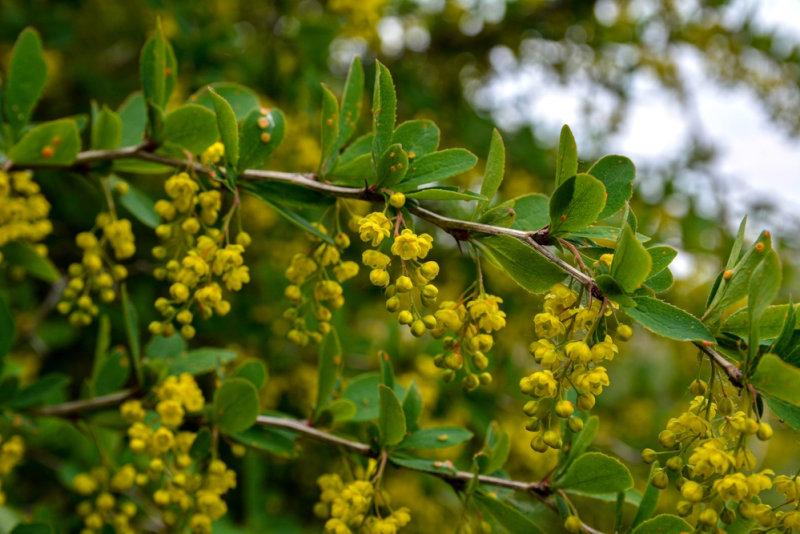
- The Barberry Shrub (Berberis vulgaris): A beautiful, thorny bush that grows bright red berries.
- Tree Turmeric (Daruharidra): A famous golden-yellow root heavily used in ancient Ayurvedic medicine.
- Goldenseal and Oregon Grape: Wild medicinal herbs native to North America.
Because of its deep, vibrant yellow color, ancient cultures didn’t just use these plants for healing—they also used the extracts as a natural dye for coloring clothes and wood.
Potential Berberine Side Effects for Women Over 40
While the metabolic benefits are highly impressive, Berberine can cause a range of side effects—especially during the first few weeks of usage. Because women over 40 are already dealing with a changing digestive and hormonal ecosystem, they need to watch out for the following warning signs:
1. Severe Gastrointestinal and Digestive Distress
The most common side effects of Berberine are directly related to your gut. Because Berberine has strong antimicrobial properties, it alters your gut microbiome. This can lead to stomach cramps, painful bloating, severe gas, diarrhea, or even stubborn constipation. For women over 40 who may already experience bloating due to perimenopausal hormonal fluctuations, Berberine can temporarily worsen these uncomfortable symptoms.
2. Low Blood Sugar (Hypoglycemia)
Because Berberine is incredibly effective at lowering blood glucose levels, it can sometimes do its job a little too well. If you take a high dose or take it without sufficient carbohydrates, your blood sugar can drop too low. This results in sudden episodes of dizziness, lightheadedness, shaky hands, cold sweats, and a racing heart rate.
3. Dangerous Medication Interactions
This is the most critical risk for women over 40. By this stage in life, many women are taking prescription medications for blood pressure, cholesterol, or Type 2 diabetes (like Metformin). Berberine is processed by your liver using the exact same pathways as these medications. If you combine Berberine with diabetes or blood pressure drugs, it can cause your blood sugar or blood pressure to drop to dangerously low levels. Always consult your doctor before mixing Berberine with any prescription medications.
4. Muscle Cramps and Joint Ache
Some women report feeling unexplained muscle fatigue or mild joint stiffness when starting Berberine. Because the compound alters cell energy production through the AMPK switch, your muscles might take a few weeks to adjust to the new way your body processes glucose and energy.
How Long Does It Take for Berberine to Work for Weight Loss?
If you are expecting an overnight miracle, it is important to set realistic expectations. Berberine works through gradual, cumulative metabolic healing rather than a sudden shock to the system.
Clinical studies show that significant changes in insulin sensitivity, fasting blood sugar, and lipid profiles usually begin to show around the 4 to 6-week mark of continuous daily use. When it comes to visible, noticeable weight loss and a reduction in hormonal belly fat, most women see tangible results after 12 weeks (3 months) of consistent supplementation.
During these three months, the compound steadily lowers your baseline insulin levels, allowing your body to transition from a constant “fat-storing” state into a sustainable “fat-burning” mode. Patience and consistency are your greatest allies here.
The Best Time to Take Berberine for Maximum Results
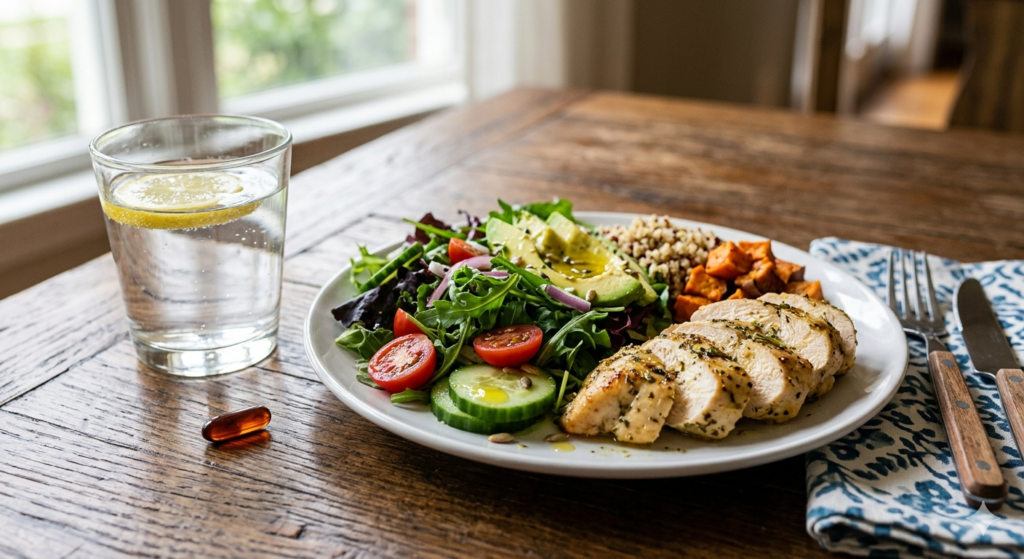
To maximize the fat-burning benefits of Berberine while completely minimizing the risk of stomach upsets or dizzy spells, timing is absolutely everything.
The absolute best time to take Berberine is 20 to 30 minutes before your largest, most carbohydrate-heavy meals of the day (usually lunch and dinner).
Taking it right before you eat allows the compound to enter your bloodstream exactly when your blood sugar is about to spike from your food. This immediate action helps your cells absorb the incoming glucose efficiently, preventing a massive insulin surge and stopping your body from storing those calories as belly fat.
Never take Berberine on a completely empty stomach. Doing so severely increases your chances of developing painful stomach cramps, nausea, or a sudden drop in blood sugar. If you take a standard dose of 500mg, it is highly recommended to split it into two or three smaller doses throughout the day with your meals, rather than taking a large 1500mg dose all at once.
Conclusion: Balancing the Trend Safely After 40
Berberine has rightfully earned its reputation as a metabolic powerhouse, and for women over 40, it can be a highly effective tool to overcome age-related insulin resistance and stubborn abdominal fat. However, it must be treated with respect. By starting with a low dose, pairing it correctly with your largest meals, and paying close attention to your digestive health, you can safely harness the weight loss power of “Nature’s Ozempic” without suffering from its uncomfortable side effects.
Medical Disclaimer: The information provided in this article, including references to Berberine and its metabolic effects, is for educational and informational purposes only. It is not intended as a substitute for professional medical advice, diagnosis, or treatment. Always consult your physician or a qualified healthcare provider before starting any new supplement regimen, especially if you are managing existing health conditions or taking other prescription medications.